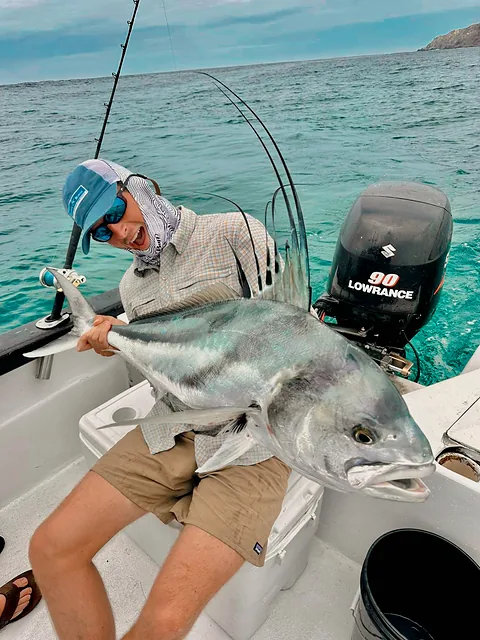
Quick answer: plan a roosterfish trip, not an offshore tackle shopping list
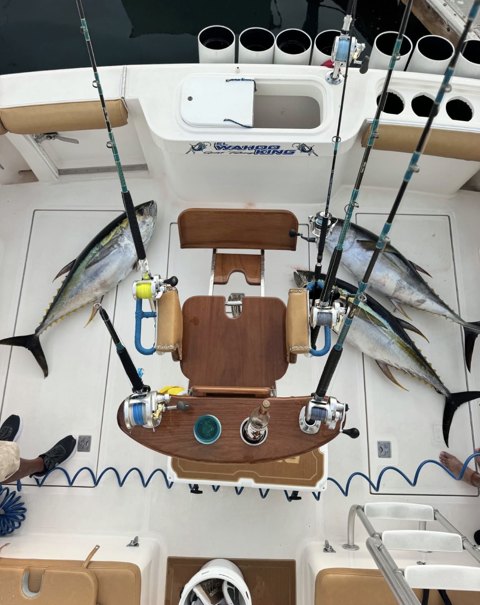
For a Cabo roosterfish outing, decide with the crew whether you will cast artificial lures or fish natural bait, then agree on handling and release. Do not choose an outfit solely because it is used on an offshore tuna or marlin boat.
The East Cape guide from Baja Fishing Guide describes roosterfish fishing around beaches, rocky points and coastal shallows using natural bait and surface presentations. That is regional context, not a report of fish at a Cabo beach today. Confirm the actual departure point and the crew’s plan; an East Cape account is not interchangeable with a Cabo San Lucas observation.
Casting, natural bait and the tackle conversation
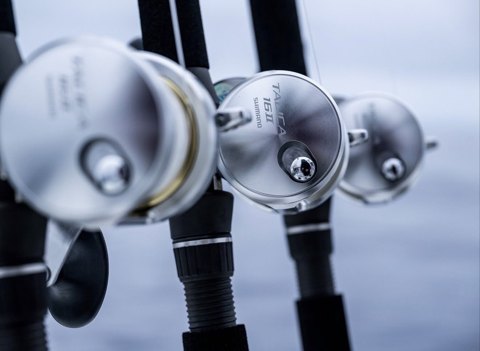
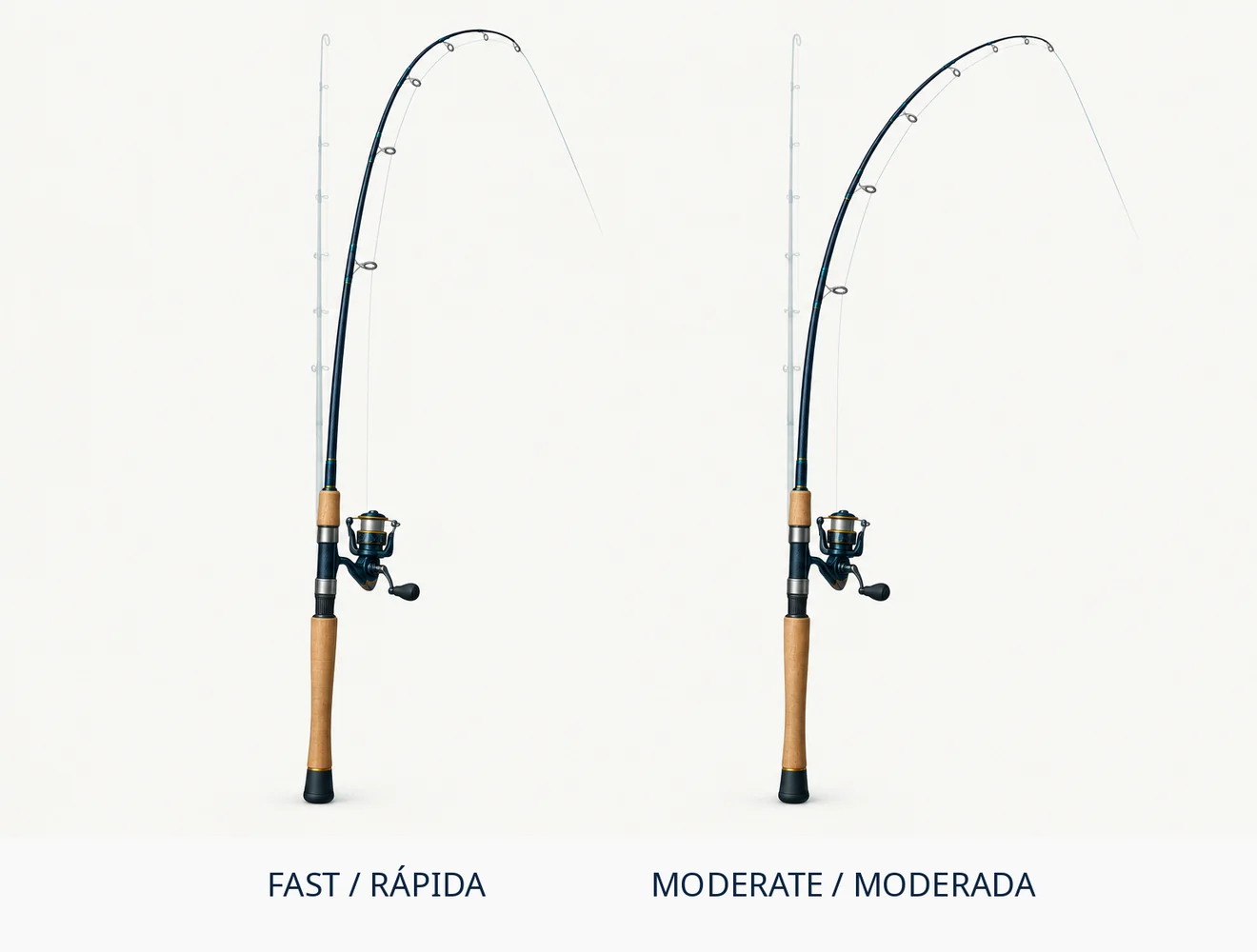
Ask whether the outfit is intended to cast repeatedly or present bait from the boat. The independent Baja packing guide lists spinning outfits, poppers and stickbaits among southern Baja roosterfish options. These are published examples, not instructions to buy a particular brand or use one leader strength everywhere.
Tell the captain about your casting experience before selecting a lure. Ask where to stand, where a cast may land and how the crew wants you to respond when the fish takes the bait. Do not apply a universal hook-setting instruction to all hooks and rigs.
Inspect visible leader wear and ask the crew to manage hook or rig changes. Keep the release tools accessible rather than buried beneath luggage. A ready outfit and a clear handling plan matter more than adding an unsupported catch-weight target.
What the release guidance actually says
The IGFA release guidelines encourage circle hooks with live or dead natural bait, removing the hook only when that avoids additional harm, and cutting the leader close to the hook when removal is not practical. They also advise against breaking or “popping” leaders. Let trained crew decide how those principles apply to the fish alongside the boat.
Ask in advance how a photograph can be taken without delaying release. Do not bring a fish aboard solely to fill a calculator field. If safe measurement is unavailable, leave length and weight unknown. No photograph in this guide proves a successful release or survival after release.
Useful notes after your Cabo outing
- Departure location and fishing date, recorded separately from an estimated fishing area.
- Method actually used: casting or natural bait, not the method you had hoped to use.
- Any length recorded safely, with snout-to-fork landmarks and the unit used.
- If sharing a calculated weight, retain the calculator’s study-region and range qualifications.
Make release part of the plan
Discuss your release intention with the crew before lines go out. Ask who will handle the leader and hook and where tools will be ready. IGFA’s guidance encourages circle hooks with natural bait and minimizing additional harm during hook removal.
A photograph or length record should never become the reason to delay release. If safe handling and documentation conflict, let the documentation go. This is a handling-first planning approach, not a claim that every released fish survives.
Use the right length if it is safely available
The magazine’s roosterfish model uses snout-to-fork length. Its endpoint is the inside tail fork rather than the tail tip. Check the species-selected diagram and record whether you used centimetres or inches.
Do not reconstruct an exact length from a photograph without a dependable scale and measurement landmarks. If no safe measurement exists, leave the weight unknown instead of choosing a plausible-looking number.
Keep your notes separate from a bite forecast
Record the outing date and the place you can confirm. Your own catch is an observation from that outing, not proof that a beach or stretch of coast will produce tomorrow. Keep the calculator’s study and range notes with any estimate you share.
Keep planning your Cabo fishing trip
Sources and scope
- IGFA: release guidelines
- Cabo Sportfishing Magazine: fish measurement guide
- Cabo Sportfishing Magazine: sourced fish weight models
This is planning guidance, not a catch guarantee, a current bite report or a product field test.