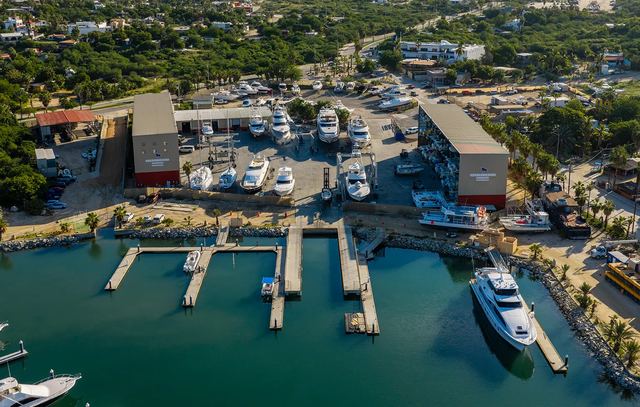
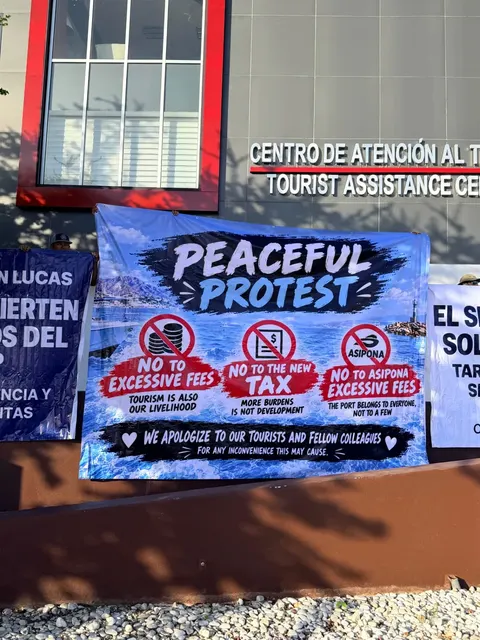
The federal tariff schedule lists higher charges for sportfishing boats, recreational yachts, and ramp users. For charter crews and bait suppliers, the next question is which fees are showing up on their bills.
CABO SAN LUCAS, Baja California Sur | Reporting through November 19, 2026
When Cabo San Lucas captains protested higher port fees in October, the new rates were still under debate. Mexico published the authorized tariff schedule on October 1, and UnoTV reported on November 18 that the rates took effect October 28. The schedule covers several uses of port infrastructure, from docking to launching a boat. Which fees an operator pays depends on the services used and how ASIPONA bills them. (Federal tariff notice · UnoTV · October coverage)
What the tariff schedule says
The following are selected published maximums in Mexican pesos, before IVA. (October coverage · California Capital · Meganoticias)
| Port service | Published maximum before IVA |
|---|---|
| Port charge for smaller sportfishing vessels | MXN $117.23 per day or part of a day |
| Port charge for recreational yachts | MXN $351.69 per day or part of a day |
| Docking at ASIPONA-administered piers, general vessel rate | MXN $5.59 per foot of vessel length per hour or part of an hour |
| Passenger boarding or disembarking on smaller vessels, excluding cruise ships | MXN $38.79 per passenger |
| Launching or retrieving a vessel by ramp | MXN $215.52 |
Meganoticias reported that the previous published daily maximum was MXN $16.98 for smaller sportfishing vessels and MXN $64.16 for recreational yachts. The new daily sportfishing maximum is nearly seven times the previous one. The actual change in an operator’s bill depends on which services were charged. (Meganoticias)
What operators say they’re being charged
Juan Erazmo Zumaya, a representative of the Faro Viejo Los Cabos cooperative, told UnoTV that a charge for keeping a vessel at the dock had risen from under MXN $300 to around MXN $6,000. The magazine has yet to review the underlying bills to establish which services and billing periods those amounts covered. (UnoTV)
Charter captains need to know whether vessel, docking, and passenger fees can appear on the same bill. Live-bait suppliers need to know how ASIPONA classifies their boats and charges for pier use. Trailer boaters need to know whether launching and retrieving a boat on the same day generates one charge or two.
Where the review stands
Senator Susana Zatarain called for a temporary suspension of the increases. A federal legislative proposal also asked the authorities to explain how they set the rates, consult affected operators, and identify the infrastructure projects the revenue would support. As of November 19, the magazine had yet to verify a suspension of collections. (UnoTV · Federal legislative record)
For anglers booking a Cabo charter, ask whether the total quoted price includes any applicable port or boarding charges. Operators have raised the possibility of passing higher costs on to visitors. How widely charter prices have changed remains unclear. (UnoTV)