By Alexandra Chacón for Cabo Sportfishing Magazine
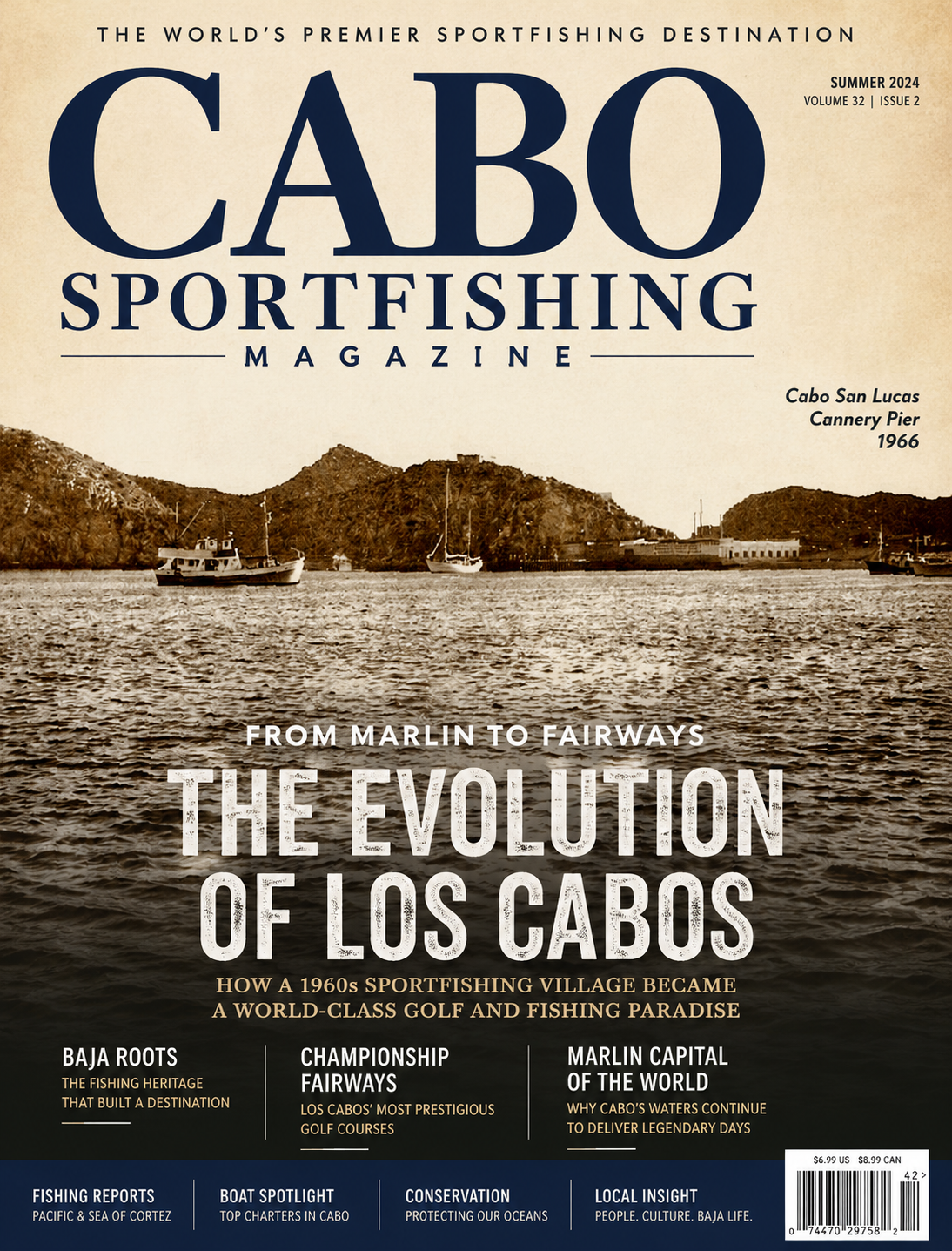
Long before luxury resorts lined the coastline and championship golf courses overlooked the Sea of Cortez, Los Cabos was known for one thing above all else — extraordinary sportfishing.
Back in the 1950s and 1960s, adventurous anglers from the United States began making the long journey south to the tip of the Baja Peninsula after hearing stories about giant marlin, yellowfin tuna, dorado, wahoo, and roosterfish found in these waters. Hollywood celebrities, private pilots, and hardcore fishermen were among the first visitors to discover what many would later call one of the greatest big-game fishing destinations on Earth.
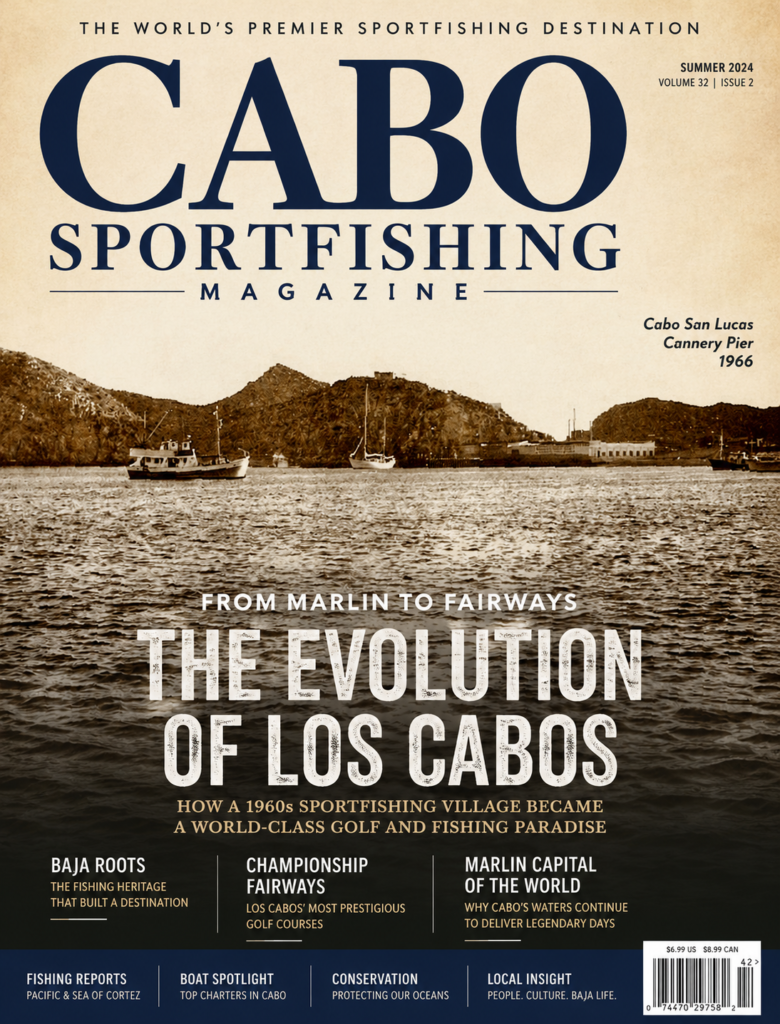
At the time, Cabo San Lucas was still a small fishing village with very limited infrastructure. Dirt roads, local pangas, and small fishing camps defined the area. But what Los Cabos lacked in development, it made up for with one of the richest marine ecosystems in the world.
The meeting point between the Pacific Ocean and the Sea of Cortez created ideal conditions for massive populations of striped marlin and other pelagic species. Anglers quickly realized that multiple marlin release days were not uncommon in Cabo waters, helping establish the region’s legendary reputation within the global sportfishing community.
The Rise of Cabo Sportfishing
Throughout the 1970s and 1980s, the fishing industry in Baja California Sur continued growing rapidly. Sportfishing tournaments became larger, marinas expanded, and more international visitors began arriving every year.
Events like the Bisbee’s Black & Blue Tournament helped place Los Cabos on the international sportfishing stage and attracted some of the best anglers in the world. Stories of anglers catching 10, 15, or even 20 striped marlin in a single day became part of Cabo fishing history.
As word spread throughout the fishing world, Los Cabos evolved into a bucket-list destination for offshore anglers searching for marlin, tuna, dorado, and wahoo.
At the same time, the Mexican government and private investors recognized the incredible tourism potential of the region. The expansion of the Los Cabos International Airport and the development of the Transpeninsular Highway helped transform what was once considered a remote Baja outpost into a growing luxury destination.
Luxury resorts, marinas, restaurants, and private communities slowly began reshaping the coastline while still preserving the fishing culture that made Cabo famous in the first place.
Cabo’s Rise as a Championship Golf Destination
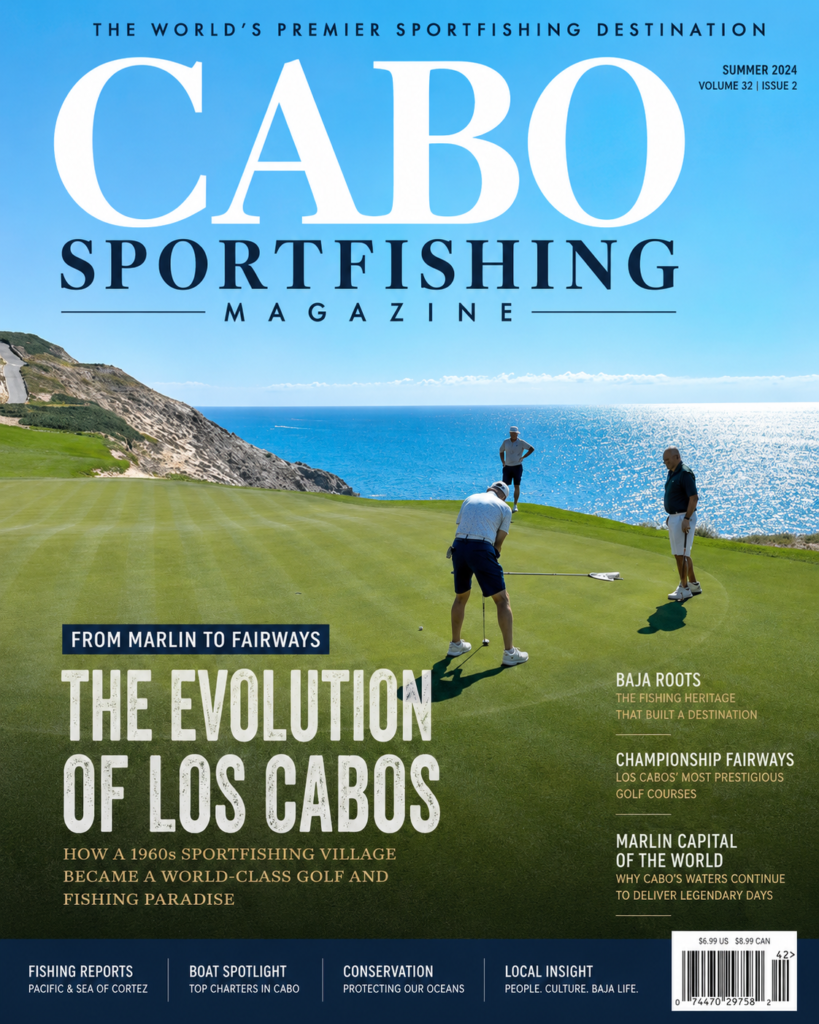
As Los Cabos continued growing throughout the late 1990s and early 2000s, the region quickly evolved into one of the premier golf destinations in North America.
Some of the world’s most respected golf course designers recognized the incredible potential of Baja California Sur’s dramatic desert landscapes, ocean cliffs, mountain backdrops, and year-round weather. Legendary names such as Jack Nicklaus, Greg Norman, Tom Fazio, and Tiger Woods helped shape the modern golf experience that now attracts luxury travelers from around the world.
Today, Los Cabos is home to internationally recognized golf courses such as Quivira Golf Club, Palmilla Golf Club, Diamante Cabo San Lucas, Cabo del Sol, and Puerto Los Cabos Golf Club — all offering spectacular views of the Pacific Ocean and the Sea of Cortez while delivering championship-level golf experiences.
What makes Los Cabos truly unique is that visitors can combine two completely different world-class experiences within the same destination.
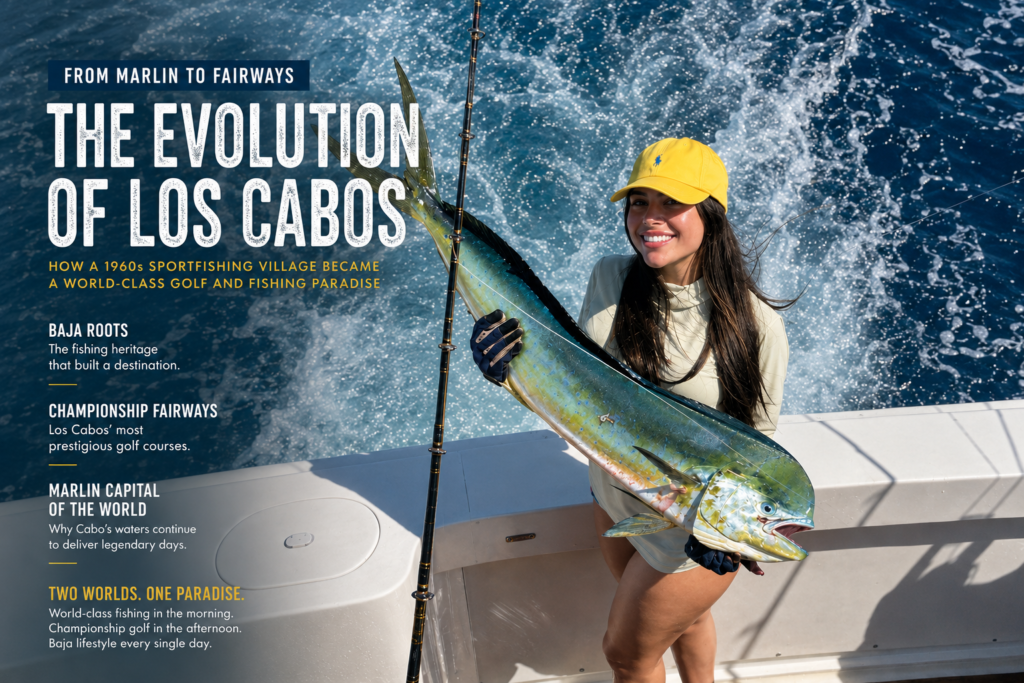
Anglers can spend the morning offshore chasing striped marlin, dorado, yellowfin tuna, or wahoo aboard luxury sportfishing yachts, then enjoy an afternoon playing some of the most scenic golf courses in Mexico before ending the evening at five-star resorts and oceanfront restaurants.
Very few destinations in the world offer that combination at the level Los Cabos does today.
The Fishing Culture That Built Cabo
Despite all the luxury growth and international recognition, sportfishing remains deeply connected to the identity of Baja California Sur.
The captains, crews, panga fishermen, marina workers, conservation groups, and local families that built Cabo’s fishing culture continue to play a major role in preserving the traditions that made this destination famous in the first place.
Over the years, modern conservation efforts, catch-and-release practices, marine research programs, and protected marine areas throughout Baja California Sur have helped ensure that future generations will continue enjoying the same incredible fisheries that first attracted anglers to Cabo more than half a century ago.
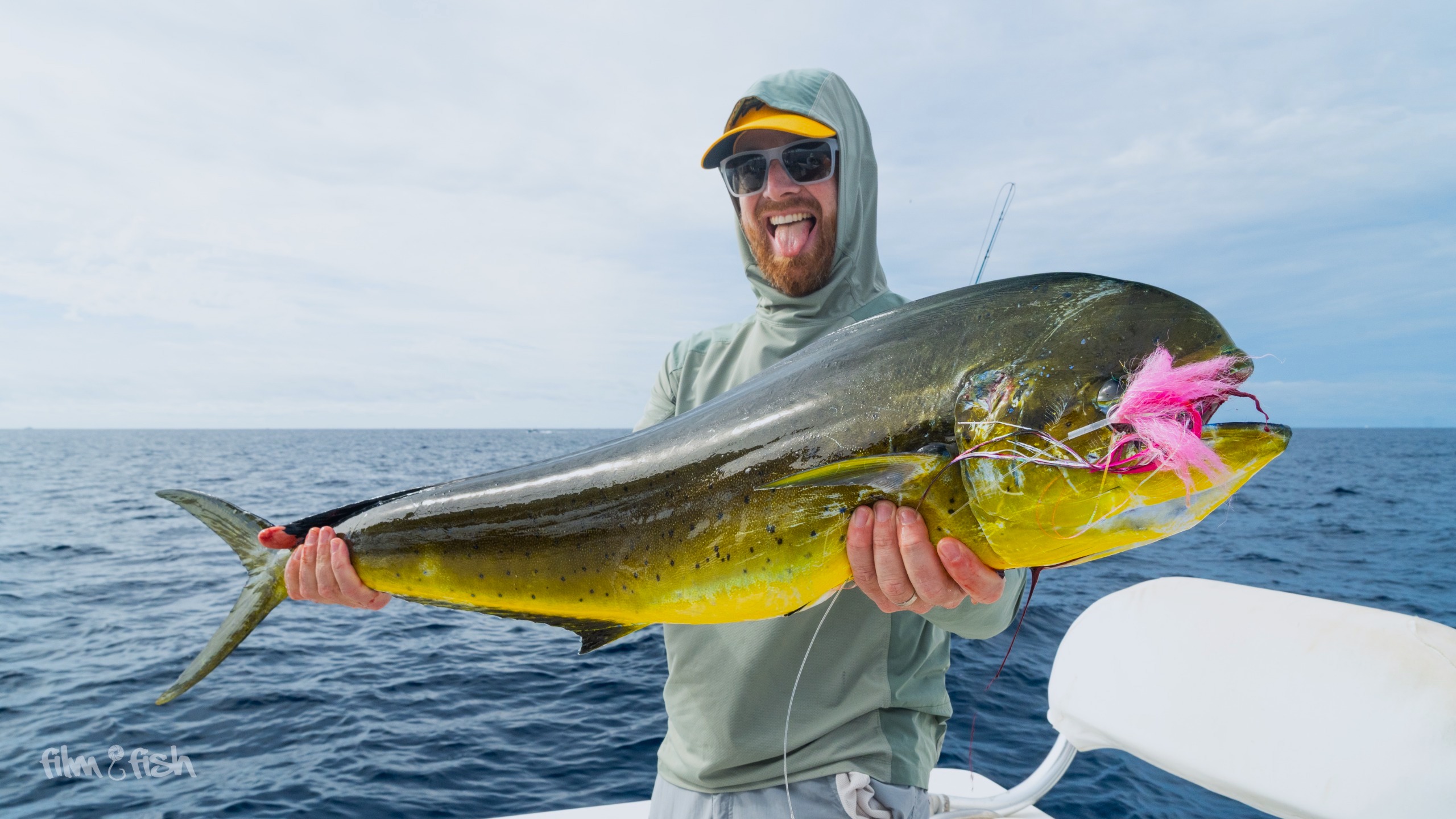
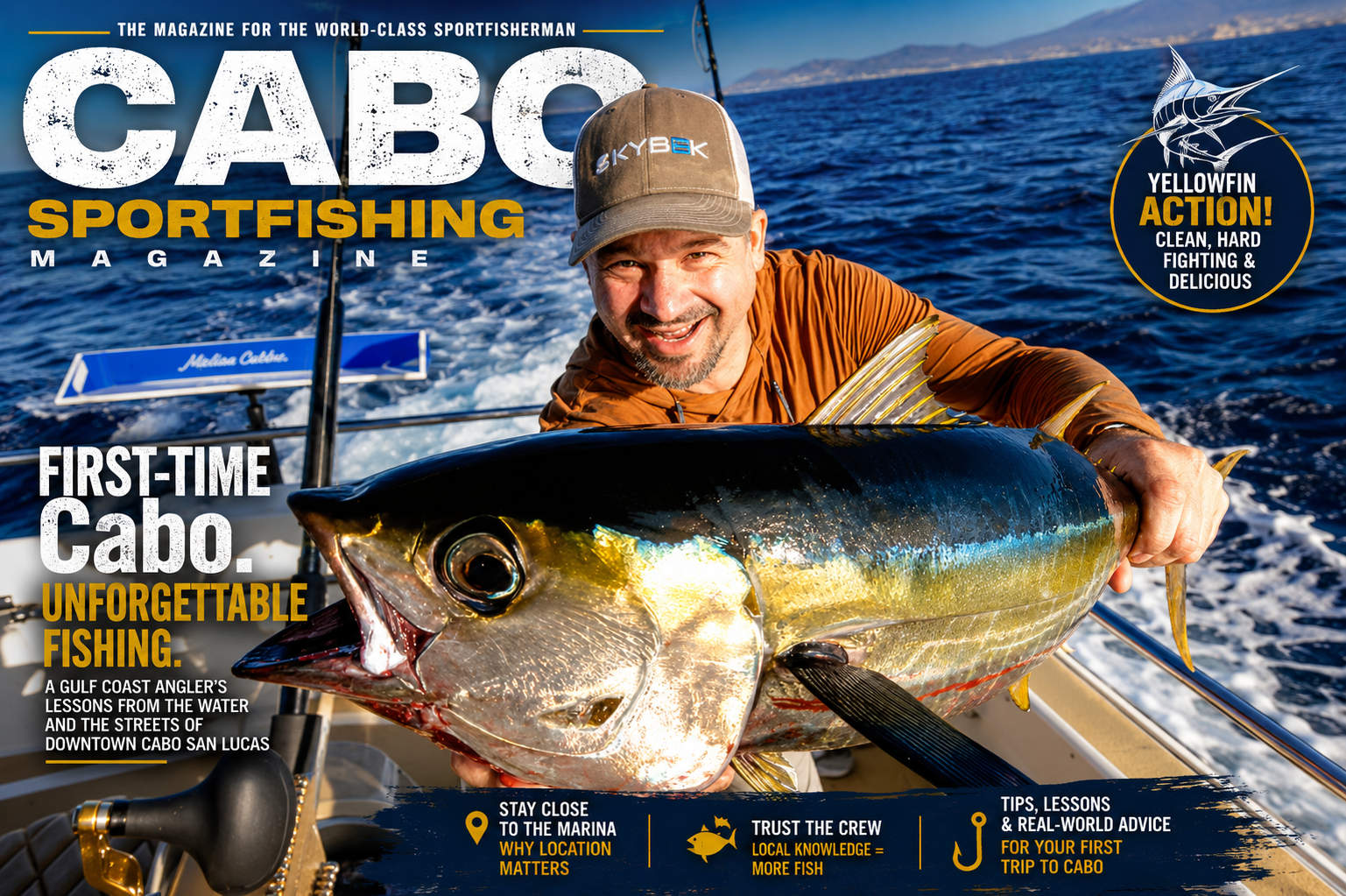
Today, striped marlin continue migrating through these waters in incredible numbers. Massive yellowfin tuna still roam offshore banks. Dorado and wahoo continue lighting up the warm summer waters while roosterfish patrol the beaches of the East Cape.
The difference now is that visitors can experience all of it while enjoying some of the finest golf resorts, luxury communities, and tourism infrastructure anywhere in the world.
Why Los Cabos Continues to Grow
Los Cabos has become far more than just a vacation destination.
It represents a lifestyle built around outdoor adventure, luxury travel, marine conservation, championship golf, world-class sportfishing, and the unique culture of Baja California Sur.
For anglers, Cabo remains one of the greatest big-game fishing destinations on the planet.
For golfers, it has become one of the most scenic and prestigious golf destinations in North America.
And for travelers looking to experience both worlds during the same trip, there may be no better destination on Earth than Los Cabos.
Final Thoughts
The story of Los Cabos is ultimately a story of evolution.
From humble fishing camps in the 1960s to one of the world’s most recognized luxury travel destinations today, Cabo has managed to grow while still preserving the sportfishing heritage that made it famous in the first place.
The marlin are still here.
The tuna are still here.
The Baja spirit is still here.
Now it simply shares the stage with championship fairways, luxury resorts, world-class marinas, and a new generation of travelers discovering what anglers figured out decades ago:
Los Cabos is truly one of the most extraordinary destinations in the world.