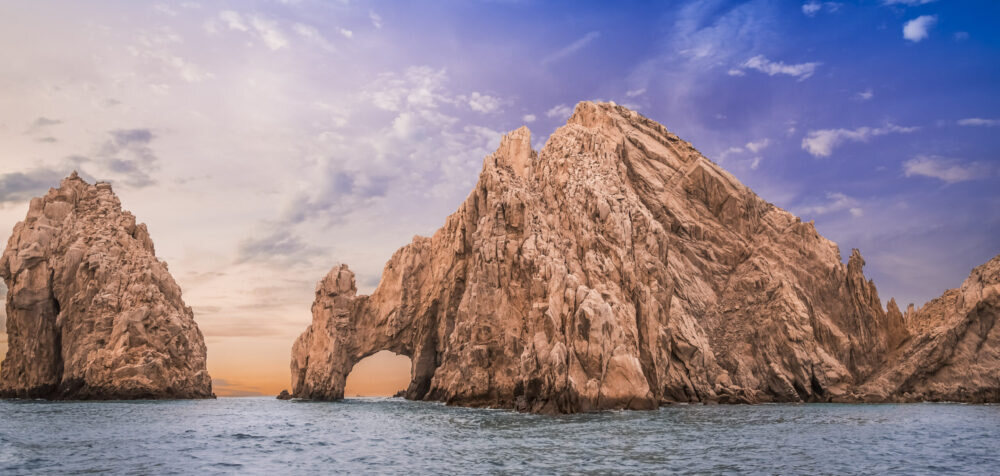
Cabo San Lucas & Los Cabos Fishing Report | September 1, 2026
September has arrived in Los Cabos, and for serious offshore anglers, this is one of the most interesting times of the entire year.
Warm water is surrounding the southern Baja Peninsula, yellowfin tuna are showing from school-size fish to true giants, dorado are appearing along the Pacific side, and striped marlin continue to provide opportunities offshore.
At the same time, September marks the heart of our tropical storm and hurricane season.
That combination of extremely warm water, changing currents, tropical weather and abundant bait can make September unpredictable—but it can also produce some spectacular days of fishing.
Cabo Water Temperatures: 83–85°F Offshore
Recent fishing reports from Cabo San Lucas are showing offshore water temperatures around 83–85°F.
On August 27, a striped marlin estimated at approximately 120 pounds was caught and released 14–16 miles offshore in water reported at 83–85°F.
Just two days later, anglers fishing the same general offshore distance landed an 18-pound yellowfin tuna and two dorado weighing approximately 15–25 pounds, again reporting water temperatures of 83–85°F.
Those temperatures are exactly why September deserves the attention of big-game anglers.
We are now fishing water capable of supporting yellowfin tuna, dorado, striped marlin, blue marlin, sailfish and wahoo throughout different portions of the Los Cabos region.
Yellowfin Tuna Are the Fish to Watch
Yellowfin tuna are currently one of the biggest stories in southern Baja.
On the San José del Cabo/East Cape side, recent reports have shown consistent tuna action from areas including Vinorama, Iman Bank and the Inner and Outer Gordo Banks.
Many of the tuna being caught have been in the 20–40-pound class, but there are much larger fish mixed into the population.
One recent fish from Vinorama was reported at approximately 160 pounds, caught using a live bulito.
Even more impressive, Captain Santiago reportedly landed a 210-pound yellowfin tuna at the Gordo Banks, also using a live bulito.
That is exactly the type of fish that gets our attention as September begins.
The latest San José del Cabo report also describes water temperatures ranging approximately 78–83°F, with yellowfin tuna remaining the primary target around San Luis and Iman.
Live sardines continue to be extremely important, while caballito, small skipjack and other live baits are giving anglers opportunities at the larger tuna.
For anglers specifically interested in trophy yellowfin, this is the time when we start paying very close attention to the Gordo Banks and other productive offshore structures.
Cabo San Lucas: Dorado Moving Close to Shore
The Pacific side is also becoming interesting.
On August 28, a Cabo boat fishing approximately 3–4 miles off the Pacific coastline near Los Arcos reported catching two dorado.
Later that same trip, the crew encountered a school of yellowfin tuna while trolling near the Lighthouse.
The tuna did not cooperate that particular day, but finding tuna schools that close to Cabo is an encouraging sign heading into September.
Dorado should become increasingly important as we move deeper into the fall.
Floating debris, current lines and areas holding concentrated bait are always worth investigating.
Marlin Are Still in the Picture
Cabo would not be Cabo without marlin.
Striped marlin continue to be caught offshore, including the approximately 120-pound striped marlin released August 27.
Earlier August fishing also produced striped marlin alongside yellowfin tuna. One reported trip at the Herradura produced an estimated 80–90-pound striped marlin plus five yellowfin tuna ranging from approximately 15–60 pounds. Water temperature during that period was reported around 85°F.
As September progresses, however, we will increasingly be watching for the larger warm-water billfish.
This is the time of year when blue marlin and black marlin become especially interesting to us.
For targeting the larger marlin, we like having the ability to catch fresh live bait such as skipjack or small yellowfin tuna when legal and appropriate, then slow-troll those baits through productive banks and areas holding larger concentrations of life.
When you are looking for a truly big marlin, preparation and patience become just as important as finding the right water.
Bottom Fishing Is Producing Surprises Too
Pelagic species aren’t the only option.
Recent fishing around Iman produced good numbers of cubera and barred snapper for boats dropping chunks of skipjack.
One particularly impressive catch was a reported 70-pound grouper at Vinorama, which ate a live bulito while the anglers were targeting tuna.
That is one of the things we love about fishing Baja.
You never completely know what is going to eat your bait.
September Also Means Hurricane Season
Anglers traveling to Cabo during September need to understand something important: this is tropical storm season.
As of September 1, the National Hurricane Center was monitoring multiple systems in the Eastern Pacific, including Hurricane Karina and Tropical Storm Marie, as well as another area that could potentially develop offshore of Mexico.
Tropical Storm Marie is already influencing southern Baja California Sur. Forecasts for September 1 called for potentially heavy rainfall and waves reaching approximately 2–3 meters along portions of the southern BCS coastline.
This doesn’t mean September is a bad month to visit Cabo.
Far from it.
But weather forecasts need to be watched carefully, and decisions by the local Port Captain always take priority over fishing plans.
Cabo Is a Desert—Rain Changes Things Quickly
Visitors sometimes forget that Los Cabos sits in an extremely arid environment.
We can go long periods with very little rainfall, which is why tropical systems are so noticeable when they finally arrive.
Rain flowing from the mountains and desert through arroyos can temporarily change nearshore water conditions. Tropical systems can also alter currents, water temperature and clarity while pushing floating material into the ocean.
For fishermen, those changes are worth watching.
Floating branches, vegetation and other debris can eventually develop into small ecosystems offshore. Baitfish begin gathering around structure, and predators such as dorado frequently aren’t far behind.
Current lines and water-color changes following tropical weather can also become areas worth investigating.
That does not mean a hurricane automatically improves fishing.
Immediately before, during and after a major storm, conditions can become dangerous and fishing may be impossible.
But once the ocean settles, experienced captains pay very close attention to what the storm changed.
Sometimes the ocean looks completely different.
And sometimes those changes create opportunities.
What We’re Watching This Week
For the first week of September, our primary Cabo indicators are:
Yellowfin Tuna — Excellent
School-size tuna are available, while fish exceeding 100 pounds—and even 200 pounds—have recently been reported farther up the Los Cabos/East Cape corridor.
Dorado — Good and Improving
Dorado are already being encountered close to Cabo’s Pacific coastline. Floating debris and current lines should become increasingly important.
Striped Marlin — Good
Striped marlin remain available offshore, including recent catches in 83–85°F water.
Blue & Black Marlin — Watch Closely
With very warm late-summer water in place, September is when we begin taking these larger marlin possibilities increasingly seriously.
Wahoo — Scattered
Wahoo are present but have not yet become one of the dominant fisheries.
Bottom Fish — Good in Selected Areas
Cubera snapper, barred snapper and grouper have provided excellent opportunities around productive structure farther up the Los Cabos corridor.
Cabo Sportfishing Magazine Outlook
The beginning of September 2026 looks promising.
We have warm water.
We have tuna.
We have dorado.
We have marlin.
And most importantly, we have signs of much larger yellowfin tuna already moving through the region.
The big question now is what happens after this latest round of tropical weather passes.
We will be watching water temperatures, satellite imagery, current breaks, bait concentrations, floating debris and reports from captains throughout Los Cabos.
September can change quickly.
One week we’re talking about school-size yellowfin and striped marlin.
The next report could be about a 200-pound tuna, a big blue marlin or the first serious push of fall wahoo.
That’s Baja fishing.
And that’s why we’ll be following it every week.
Cabo Sportfishing Magazine
Fishing Reports • Conservation • Tournaments • Baja Fishing Culture